For decades, weight loss advice has been reduced to a simple equation: eat less and move more. If you've left a primary care appointment hearing exactly those words, with no further explanation and no follow-up plan, you know how inadequate that feels. And if that advice hasn't worked for you despite genuine effort, it's not because you lack discipline. It's because that equation is incomplete.
Weight is regulated by hormones, nervous system signals, metabolic adaptation, sleep, inflammation, and a dozen other variables that a calorie deficit alone doesn't touch. For people whose weight is being driven by one or more of those variables, eating less and moving more doesn't solve the problem. It often makes it worse by adding metabolic stress to a system that's already under strain.
Weight Loss Is Not Just a Calorie Problem
Calories matter. They're one variable in a larger equation, not the whole equation. Your body is not a passive calculator. It's an adaptive biological system that responds to restriction by slowing metabolic rate, increasing hunger hormones, reducing energy expenditure, and defending its current weight with considerable physiological force.
This is why people who cut calories and increase exercise frequently hit plateaus, experience intense cravings, feel exhausted, and eventually regain the weight they lost. The problem isn't inconsistency. It's that the underlying drivers of their weight were never addressed.
Two people can eat the same calories and exercise the same amount and have completely different outcomes. Biology, hormones, and metabolic history all determine what the body does with that input.
What Actually Drives Weight Resistance
When weight loss efforts aren't producing expected results, the answer is almost always in one or more of the following physiological systems. These are the areas that standard primary care rarely evaluates in the context of weight management:
- Insulin resistance, which promotes fat storage, blocks fat burning, and drives persistent hunger regardless of how much is eaten
- Cortisol elevation from chronic stress, which preferentially deposits fat in the abdominal area and worsens insulin sensitivity
- Thyroid dysfunction, including subclinical hypothyroidism that falls within the normal reference range but meaningfully slows metabolic rate
- Leptin resistance, which blunts the brain's satiety signals so that fullness cues are absent even when adequate calories have been consumed
- Sex hormone imbalance, including declining estrogen and testosterone during perimenopause and menopause, which directly affect fat distribution and metabolic rate
- Sleep deprivation, which elevates ghrelin, suppresses leptin, impairs glucose tolerance, and produces hormonal conditions nearly identical to insulin resistance
When any combination of these is present and unaddressed, calorie restriction makes them worse. Cutting calories without enough protein accelerates muscle loss. Increasing exercise without adequate recovery elevates cortisol. The behaviors that are supposed to produce results are working against the physiology driving the problem.
Why Calorie Restriction Alone Backfires
The body's adaptive response to sustained calorie restriction is well-documented and clinically significant. Metabolic rate decreases. Thyroid output drops. Hunger hormones increase. The drive to eat becomes more urgent while the capacity to burn fat becomes more limited. This is not a character flaw. It's a survival mechanism that the human body executes with considerable precision.
The most common physiological barriers
What Primary Care Weight Loss Visits Usually Miss
Primary care providers are skilled at managing acute illness and chronic disease within the time constraints of their practice model. Weight and metabolic health require a different kind of evaluation: more time, more specific lab data, and clinical expertise in the systems that regulate body composition. Most primary care visits simply aren't structured to provide that.
What's typically absent from standard weight loss conversations: fasting insulin and insulin resistance markers, full thyroid evaluation beyond a single TSH value, cortisol and adrenal function context, sex hormone assessment that's relevant to how fat is distributed and metabolized, and any real discussion of why previous efforts haven't worked rather than an implicit suggestion to try harder.
A Medical, Data-Driven Approach in Dallas
At Optimize by JaeNix, weight and metabolic health are evaluated as the clinical problems they are, not lifestyle failures requiring motivation. The starting point is understanding why the body is resisting change, not assuming the patient hasn't tried hard enough.
- Comprehensive lab evaluation including fasting insulin, full thyroid panel, sex hormones, inflammatory markers, and nutrient status to establish what's actually driving the metabolic picture
- GLP-1 therapy with semaglutide or tirzepatide when clinically appropriate, used as a medical tool to address appetite regulation, insulin sensitivity, and satiety signaling rather than as a shortcut divorced from broader metabolic care
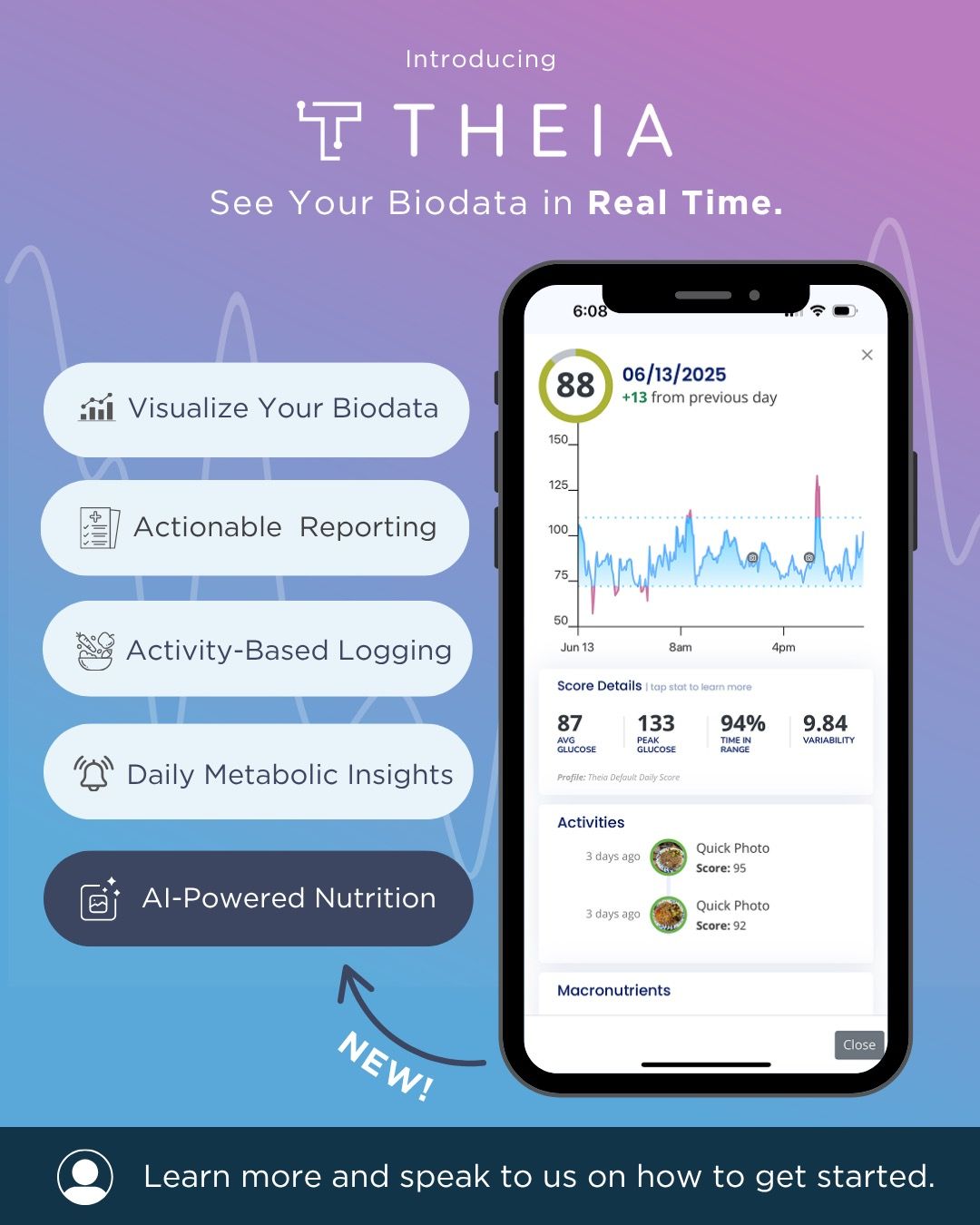
- Continuous glucose monitoring to provide real-time data on how the patient's body specifically responds to food, stress, and sleep rather than applying generic nutrition guidelines
- Nutrition guidance built around adequate protein, fiber, and blood sugar stability rather than calorie counting disconnected from hormonal context
- Ongoing medical monitoring and plan adjustments as the metabolism adapts, because weight loss is dynamic and a static protocol rarely works long-term
Patients here aren't handed general advice and sent home. They're supported with structure, data, and medical oversight that evolves based on what the labs and their clinical response actually show.
Frequently Asked Questions
I've tried everything and nothing has worked. Is there actually something different you can offer?
Possibly, and the answer depends on what's been evaluated and what hasn't. Most people who have tried and failed at weight loss have done so without a comprehensive metabolic evaluation. If fasting insulin, full thyroid function, cortisol patterns, and sex hormones haven't been assessed alongside a detailed symptom history, the driving factors behind the weight resistance haven't been identified. That's where we start.
Are GLP-1 medications like semaglutide or tirzepatide right for me?
They may be, depending on your clinical picture. GLP-1 medications are genuinely effective tools for appetite regulation and insulin sensitivity, and they produce meaningful results for many patients. They're also most effective when used as part of a broader metabolic plan that addresses the underlying drivers of weight resistance rather than as standalone prescriptions. Eligibility and appropriateness are determined at consultation.
What's the difference between what you offer and a standard primary care weight loss visit?
Primarily scope, time, and clinical depth. Standard primary care visits aren't designed for the kind of comprehensive metabolic evaluation that weight resistance requires. We run a more complete lab panel, evaluate systems that are rarely assessed in standard weight visits, and build a plan around what your individual biology is doing rather than applying generic advice.
Can hormones really affect weight that much?
Yes, significantly. Declining estrogen during perimenopause directly changes fat distribution and insulin sensitivity. Low testosterone impairs muscle maintenance, which reduces resting metabolic rate. Thyroid dysfunction slows the entire metabolic process. Elevated cortisol promotes abdominal fat storage and insulin resistance. Any one of these can make weight loss feel impossible despite genuine effort. When multiple are present simultaneously, they reinforce each other.
I'm in perimenopause and my weight has changed even though my diet and exercise haven't. Is that normal?
It's physiologically predictable, yes. The hormonal shifts of perimenopause change how the body stores and burns fat, how insulin functions, and how the body responds to caloric restriction. It's not a matter of aging poorly or losing discipline. It's a metabolic shift that requires a metabolic response, not harder effort with the same approach that used to work.
Where can I get a comprehensive weight loss evaluation in Dallas?
We're at 5301 Alpha Road, Suite 34, Room 21, Dallas, TX 75240, near the Galleria. Telehealth is available across Texas and several additional states. Call us at 214-890-6180 or book through our website.
Medical Weight Loss · Dallas, TX
A smarter approach works with your biology, not against it.
If previous efforts haven't produced results, the problem likely isn't effort. It's that the right variables haven't been evaluated. Let's look at the full picture and build a plan around what your body is actually doing.
Book a Consultation in DallasOr call us at 214-890-6180 · Telehealth available across TX, CO, FL, IA, VT, VA, WA, CT