Dallas, TX · Telehealth: TX, CO, FL, IA, VT, VA, WA, CT
214-890-6180
contact@jaenixmedspa.com
Order Labs
Contact Us
OPTIMIZE
by JaeNix
About
Hormones
Hormone Optimization
Women's Hormone Optimization
Men's Hormone Optimization
Sexual Wellness
Women's Sexual Wellness
Men's Sexual Wellness
Wellness
Weight and Metabolic
Medical Weight Loss
Peptide Therapy
Primary Care
Direct Primary Care
Virtual Urgent Care
Virtual Consults
Self-Order Labs
Aesthetics
Injectables
Botox and Neurotoxins
Fillers and Biostimulators
Skin and Hair
Microneedling
Hair Restoration
Vampire PRP
Telehealth
Virtual Services
All Telehealth Services
Direct Primary Care
Virtual Urgent Care
Virtual Consults
Self-Order Labs
Licensed States
TX · CO · FL · IA · VT · VA · WA · CT
Patient Info
Resources
Patient Resources and Education
Policies and Financing
Payment and Cancellation Policy
Cherry Financing — Apply Now
Blog
Contact
Book Now
Hormones
Women's Hormone Optimization
Men's Hormone Optimization
Women's Sexual Wellness
Men's Sexual Wellness
Wellness
Medical Weight Loss
Peptide Therapy
Direct Primary Care
Virtual Urgent Care
Virtual Consults
Self-Order Labs
Aesthetics
Botox and Neurotoxins
Fillers and Biostimulators
Microneedling
Hair Restoration
Vampire PRP
Telehealth
All Telehealth Services
Virtual Urgent Care
Virtual Consults
Patient Info
Patient Resources and Education
Payment and Cancellation Policy
Cherry Financing — Apply Now
More
About
Blog
Contact
BLOG
The Optimization Lounge
Low-Dose Vaginal Estrogen: What You Should Know
By Jessica Boggs
•
May 11, 2026
Brain Fog, Memory Loss, and Menopause: How BHRT and Peptide Therapy Protect the Female Brain
By Jessica Boggs
•
May 4, 2026
Peptide Therapy for Weight Loss and Muscle in Menopause: What's Actually Working for Women Over 40
By Jessica Boggs
•
May 1, 2026
BHRT and Peptide Therapy for Women Over 40: What They Are, How They Work, and Why They're Better Together
By Jessica Boggs
•
May 1, 2026
Enclomiphene Citrate: A Smarter Path to Testosterone Optimization
By Jessica Boggs
•
April 22, 2026
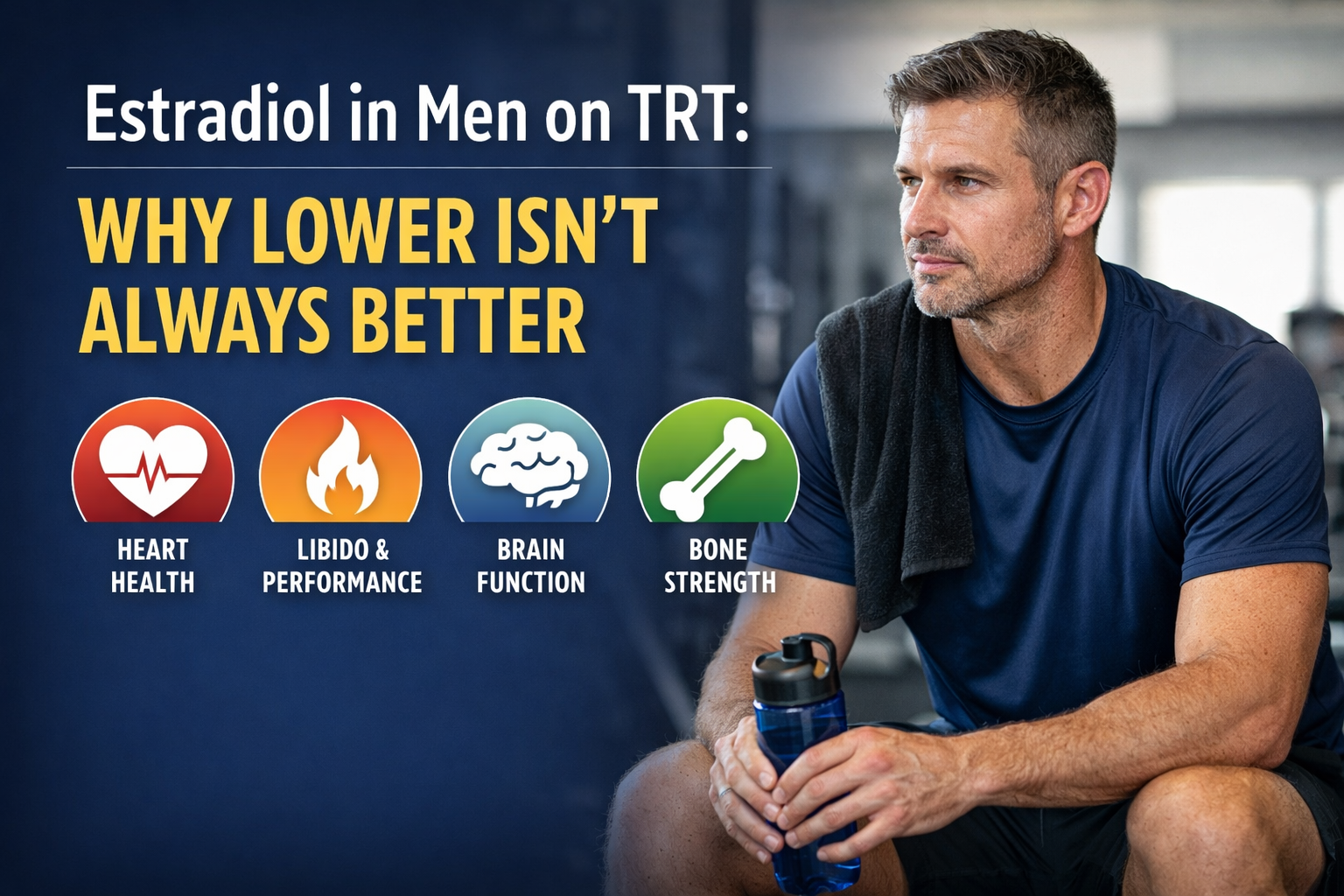
Estradiol on TRT: Why Lowering Estrogen Isn't Always the Answer | Optimize by JaeNix Dallas
By Jessica Boggs
•
April 14, 2026
Why Perimenopause and Thyroid Problems Look the Same
By Jessica Boggs
•
April 2, 2026
Don’t Lose Bone While Losing Weight: Why DEXA Scans Matter Before Peptide Therapy
By Jessica Boggs
•
April 1, 2026
Understand why a DEXA scan is recommended before starting weight loss or peptide therapy. Assess bone density, body composition, with Optimize by JaeNix in Dallas.
Testosterone Therapy for Women: Treating Labs, Symptoms, and the Woman in Front of Us
By Jessica Boggs
•
March 23, 2026
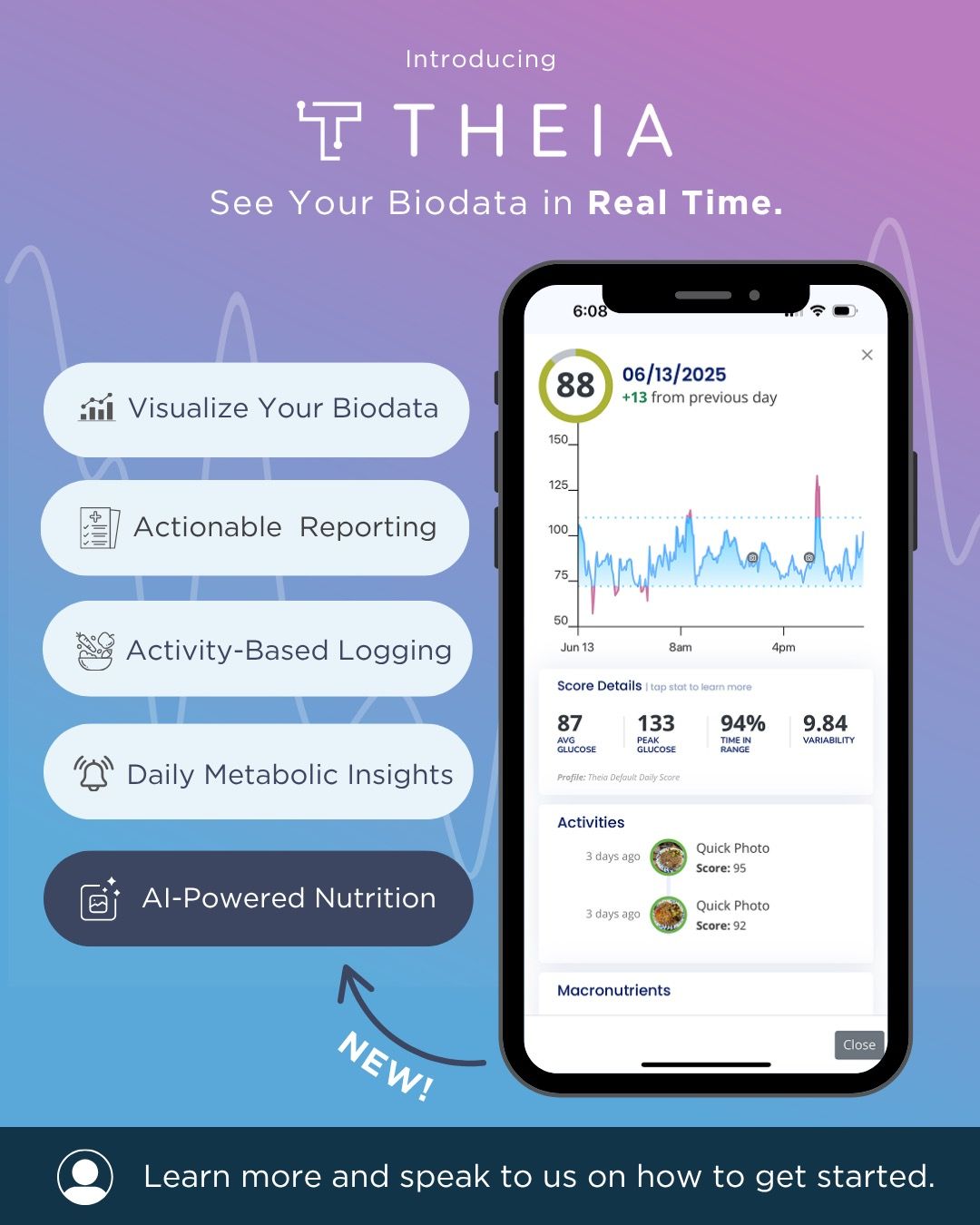
Continuous Glucose Monitoring (CGM): A Simple Guide to Understanding Your Metabolism
By Jessica Boggs
•
March 5, 2026
1
(current)
2
3
Share by: