The Missing Piece in Weight Loss: Why Bone Health Changes Everything
When most people think about weight loss or peptide therapy, they focus on fat loss, energy, and metabolism. But there is another critical piece of the equation that is often overlooked: bone health.
At Optimize by JaeNix, we take a different approach. Before starting certain therapies, we may recommend a DEXA scan to assess not only bone mineral density, but also body composition including lean muscle mass and fat distribution.
What a DEXA Scan Actually Measures
DEXA stands for Dual-Energy X-ray Absorptiometry. It is a low-radiation imaging tool that gives us a precise picture of three things the scale will never tell you: your bone mineral density, your lean muscle mass, and your fat distribution throughout the body.
This matters because weight loss as a number means very little without context. Losing 20 pounds could mean losing fat, losing muscle, losing bone density, or some combination of all three. Those outcomes carry very different consequences for your long-term health.
Not All Weight Loss Is Beneficial
This is especially true with GLP-1 medications like semaglutide or tirzepatide, which can produce significant weight loss quickly. Without intentional support through nutrition, resistance training, and monitoring, that weight loss can come at a cost.
Risks we assess before treatment
Loss of lean muscle mass from rapid caloric deficit or inadequate protein
Decreased bone density over time, especially in perimenopausal and postmenopausal women
Increased long-term fracture risk from silent bone loss that develops without symptoms
What We Are Looking For
Bone loss often develops silently. Many patients arrive without any symptoms, yet already show measurable changes in bone density. A DEXA scan allows us to identify these conditions before treatment begins, so we can adjust your plan accordingly.
Early bone loss. Bone density is lower than normal but not yet classified as osteoporosis. Often present without symptoms.
Advanced bone loss. Significantly increased fracture risk. May not present any symptoms until a fracture occurs.
How This Changes Your Care Plan
If your bone density is normal, we proceed with your treatment plan while ensuring proper support through nutrition, protein intake, and resistance training. The goal from day one is to preserve what you have while improving body composition.
If osteopenia or osteoporosis is identified, your plan becomes more strategic. We do not simply slow down your weight loss program. We build a protocol specifically designed to protect and support your skeletal health throughout the process.
Strategic treatment priorities when bone loss is present
- Preserving lean muscle mass through optimized protein targets and resistance training guidance
- Supporting bone remodeling through targeted nutritional and supplementation strategies
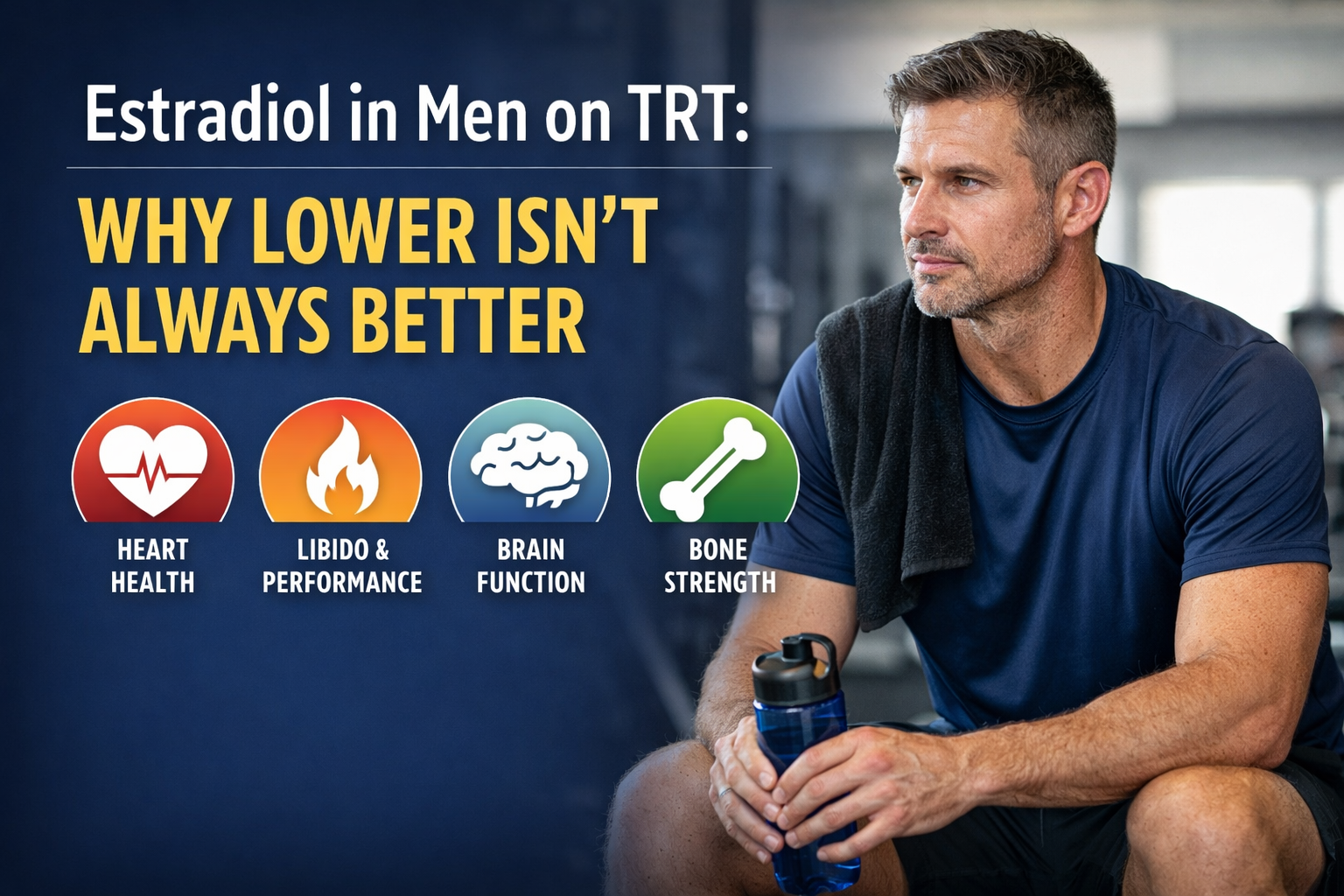
- Optimizing hormones such as estradiol and testosterone when clinically appropriate
- Avoiding overly aggressive caloric restriction or accelerated weight loss timelines
- Monitoring body composition over time rather than tracking weight alone
What True Optimization Looks Like
We are not here to help you lose weight at the expense of your long-term health. Our goal is to help you build a body that is stronger, more resilient, and better functioning at every stage of life.
Build strength
Improve metabolic health
Protect your bones
Optimize for the long term
Common Questions
Yes. A DEXA scan is the gold standard for measuring bone mineral density. It goes further than a standard bone density test by also quantifying lean muscle mass and fat distribution, giving us a complete picture of your body composition.
Not always, but it depends on your individual risk profile. We recommend it for patients with risk factors for bone loss, significant weight loss goals, or those starting hormone optimization alongside their weight loss program. During your consultation, we will determine what baseline assessments are appropriate for you.
Both estradiol and testosterone play a documented role in maintaining bone density. When clinically appropriate, hormone optimization can be an important part of a bone-protective treatment plan, particularly for perimenopausal, postmenopausal, or testosterone-deficient patients.
We are located at 5301 Alpha Road, Suite 34, Room 21, Dallas, TX 75240. We also offer telehealth services across multiple states. Call us at 214-890-6180 or visit jaenixmedspa.com to schedule a consultation.
Ready to understand what is actually happening inside your body before you begin?
Schedule a ConsultationOptimize by JaeNix · Dallas, TX · 214-890-6180